
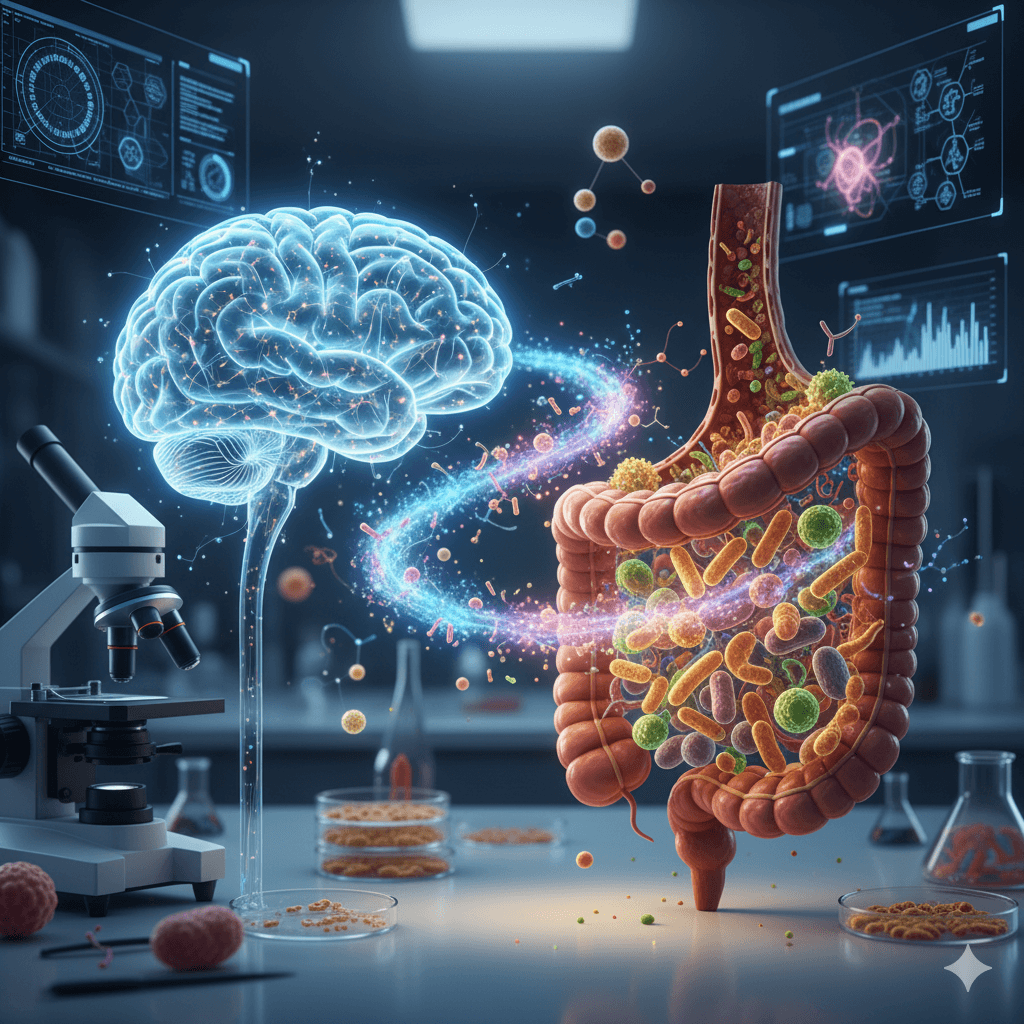
The Gut-Brain Axis: A Two-Way Highway
The gut-brain axis represents one of the most fascinating discoveries in modern neuroscience. This bidirectional communication network connects your enteric nervous system (often called the "second brain") with your central nervous system through the vagus nerve, neurotransmitters, and immune signaling molecules.
Research published in leading journals has shown that approximately 95% of your body's serotonin is produced in the gut, not the brain. This neurotransmitter plays a crucial role in mood regulation, sleep quality, and cognitive function.
How Gut Bacteria Influence Cognitive Performance
Specific bacterial strains in your gut produce short-chain fatty acids (SCFAs) like butyrate, propionate, and acetate. These compounds cross the blood-brain barrier and directly influence neural function:
- Butyrate: Strengthens the blood-brain barrier, reduces neuroinflammation, and supports memory consolidation during sleep.
- Propionate: Modulates the reward system and helps regulate appetite and energy metabolism in the brain.
- Acetate: Influences hypothalamic signaling and plays a role in appetite suppression and metabolic regulation.
Signs Your Gut Microbiome May Be Affecting Your Mind
When gut bacteria populations become imbalanced (a condition called dysbiosis), you may experience cognitive symptoms that are often overlooked:
- Persistent brain fog: Difficulty concentrating, forgetfulness, and mental fatigue that does not improve with rest.
- Mood fluctuations: Unexplained anxiety, irritability, or low mood that correlates with digestive discomfort.
- Sleep disruption: Difficulty falling asleep or staying asleep, as gut-produced melatonin precursors are diminished.
- Reduced stress tolerance: Overreacting to minor stressors due to impaired cortisol regulation via the gut-brain axis.
Diversity Is the Key
Studies consistently show that greater microbial diversity in the gut correlates with better cognitive outcomes. Aim for at least 30 different plant foods per week to nourish a wide range of beneficial bacteria.
Building a Brain-Boosting Microbiome
Optimizing your gut microbiome for mental clarity involves strategic dietary and lifestyle choices:
- Prebiotic-rich foods: Garlic, onions, leeks, asparagus, and Jerusalem artichokes feed beneficial bacteria and promote SCFA production.
- Fermented foods daily: Incorporate yogurt, kefir, sauerkraut, kimchi, or miso to introduce live beneficial cultures.
- Polyphenol sources: Berries, dark chocolate, green tea, and olive oil support the growth of anti-inflammatory gut bacteria.
- Fiber variety: Soluble and insoluble fiber from diverse sources creates a thriving environment for microbial communities.
Lifestyle Factors That Shape Your Microbiome
Beyond diet, several lifestyle habits significantly influence gut bacterial composition and, by extension, mental clarity:
- Regular exercise: Moderate aerobic activity increases microbial diversity and boosts the production of brain-protective SCFAs.
- Stress management: Chronic stress alters gut permeability and bacterial composition. Daily mindfulness or breathwork can help restore balance.
- Quality sleep: Sleep deprivation disrupts circadian rhythms in gut bacteria, leading to inflammation and cognitive decline.
- Time in nature: Exposure to diverse environmental microbes through outdoor activity supports a resilient microbiome.
"The gut microbiome is not just a passenger in your body; it is an active participant in how you think, feel, and perform every single day."
The Role of Psychobiotics
Psychobiotics are a class of probiotics that produce neurochemicals or influence neural pathways to positively impact mental health. Key strains being studied include:
- Lactobacillus rhamnosus: Shown to reduce anxiety-like behavior through vagus nerve stimulation in preclinical studies.
- Bifidobacterium longum: Associated with reduced cortisol levels and improved stress resilience in human trials.
- Lactobacillus helveticus: Combined with B. longum, has demonstrated improvements in mood and cognitive reactivity in clinical settings.
Practical Steps for Today
You do not need a complete dietary overhaul to start supporting your gut-brain connection. Begin with these evidence-based steps:
- Add one new fermented food to your weekly rotation.
- Include a prebiotic-rich vegetable with at least one meal daily.
- Take a 20-minute walk after meals to stimulate gut motility and microbial activity.
- Reduce ultra-processed food intake, which has been shown to decrease microbial diversity within days.